Speaking
A talk should change what becomes possible after the room empties.
I speak about happiness, the mind, self-awareness, burnout, stress, expectation and identity. The strange things human beings do while trying to feel okay, and what that costs them at work.
Ten years of it, three hundred odd organisations, and no slogans.
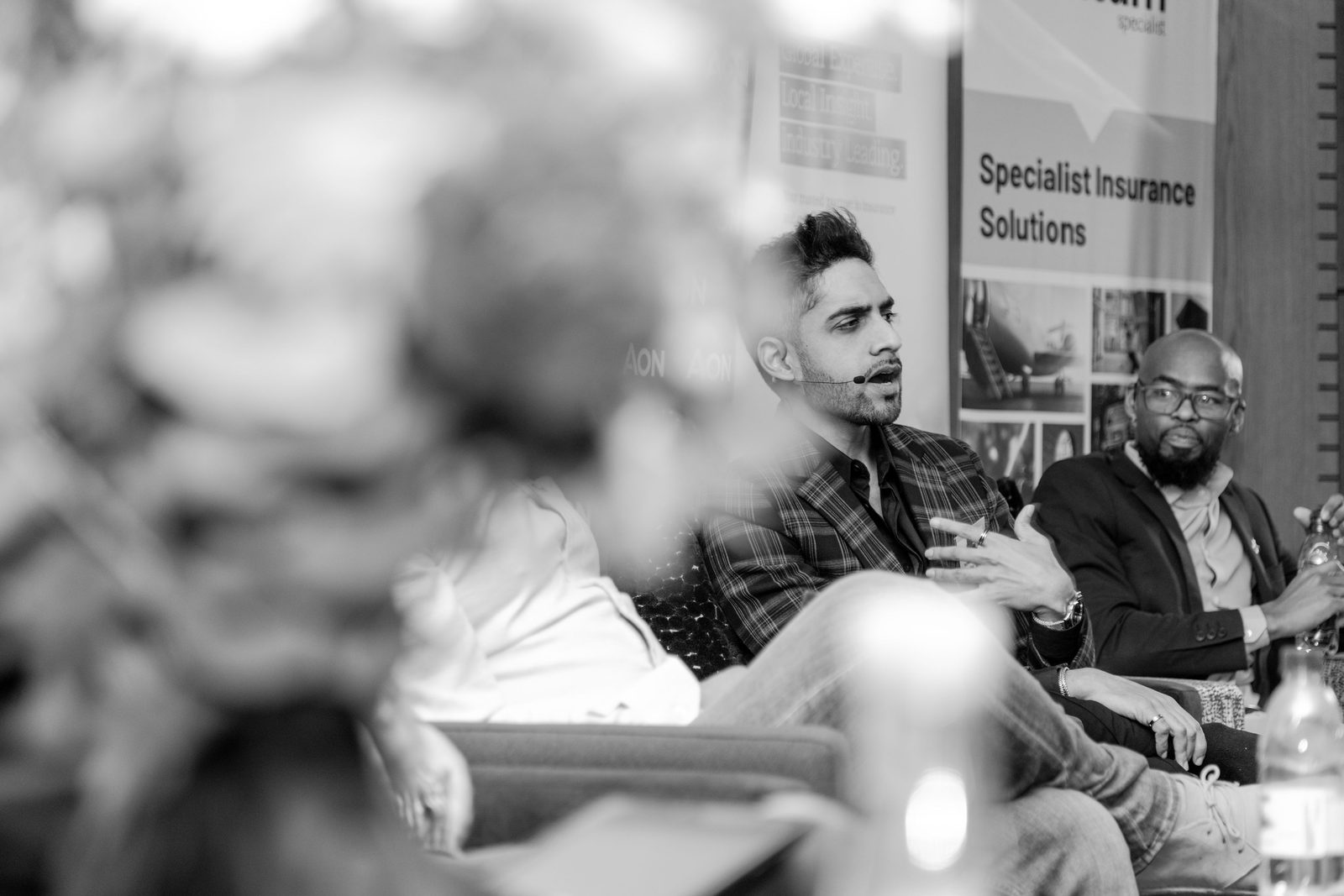
The signature keynote
A Sustained Assault on Self-Awareness
Why understanding yourself is not the same as seeing yourself clearly.
Most intelligent, self-aware people already know an extraordinary amount about themselves. They know their patterns, triggers, habits, histories and explanations. And yet knowing does not automatically change the way a person lives.
Norwyn examines what happens when self-awareness itself becomes another story we stop questioning, and what becomes visible once we begin challenging the assumptions, identities and bargains operating underneath our behaviour. This is not another list of habits for becoming a better version of yourself. It is an invitation to look harder at the version already doing the looking.
What the audience leaves with- Why understanding yourself is not the same as seeing yourself clearly
- The bargain almost everyone is running without noticing it
- What happens each time a condition is finally met
- Why the most convincing explanation is often the one worth questioning
- A different question to take back to work on Monday

The wider territory
All of it is really one subject.
Happiness, the mind, self-awareness, burnout, stress, expectation, identity. Each talk takes a different angle on the same question: what are people waiting for before they let themselves be okay?
Mental Health in the Age of Machines
What happens to us when the work gets automated and the pressure does not.
Men’s Health and the Cancer Conversation
The conversation men are famously bad at having, and what it costs.
How Great Could You Become?
On potential, and why the question makes most people flinch.
Every talk is adapted to the audience, the occasion and the room. If none of these fit exactly, describe the moment you are planning for and we will shape something that does.
The rooms
Where this usually happens.
Every talk is shaped around the room it is going into.
Everyone in that room is waiting for something before they let themselves be okay. Most of them have never said what it is.
What a talk is actually for
What Audiences Say
The room afterwards.
“We’ve hosted countless speakers, but Norwyn’s authentic, impactful delivery made him stand out. Our employees are still talking about it weeks later.”
HR Director, MTN
“Norwyn is an absolute force. His session was engaging from start to finish, leaving our team inspired and ready to act immediately.”
Head of People, Alexander Forbes
“Norwyn masterfully combines practical advice with compelling storytelling. He truly understands human behavior and inspires lasting change.”
Head of Customer Operations, FNB
“Norwyn’s storytelling is powerful and relatable. He genuinely changed the way I see my own mental health. Life-changing doesn’t even begin to cover it.”
Team Leader, Vitality at Discovery
Going Further
When the talk isn’t enough.
A keynote reaches a lot of people for an hour. Some will want to keep going, as a group inside the organisation or on their own. Private sessions are the individual version of this work.
The talk
opens the doorA room of people who have just recognised something
The class
goes deeperA small group who chose to keep going
Practical Questions
What organisers usually ask.
Where is Norwyn based, and does he travel?
Johannesburg and Cape Town, speaking across South Africa and internationally. Online and hybrid events welcome.
Are the talks off the shelf?
No. Every keynote is shaped around your audience, occasion and room.
How do we start?
Send the enquiry below with whatever you have. No finished brief needed.
What lengths and formats are available?
Most talks run 45 to 60 minutes, shaped to the slot you have. Shorter slots and panels can be arranged.
How far in advance do we need to book?
Five days is usually enough. If it is closer to the date, ask anyway.
Booking
Tell me about the room.
You do not need a perfect brief. Tell me who will be there, what they are carrying, and what you hope will be different when they leave.