About Norwyn K
Why do human beings keep postponing their ability to feel okay?
I am a Happiness Counsellor, author and speaker, and my work examines that one question from dozens of different angles. I have been on it since I was seventeen. Not academically. I needed an answer, because for a long stretch I was not okay and nothing anybody told me was any use.
For more than a decade I have worked around anxiety, depression, stress, burnout, grief, happiness, performance and the mind, in companies, schools, universities and leadership rooms. I am the author of four books, and I have spoken to thousands of people across more than 300 organisations and institutions.
The approach is direct, curious and deliberately resistant to easy answers. I describe it as a sustained assault on self-awareness.

Norwyn K · Happiness Counsellor, Author & Speaker
When life changed
I was 17.
My sister was killed when I was seventeen years old. I am not going to write more about that here than I would say out loud to someone I had just met.
What followed was severe depression and anxiety. Not a low patch. A long stretch where getting through an ordinary day took everything I had.
The social anxiety that came with it was crippling. Not shyness, not a charming quirk. Ordinary interaction could feel unmanageable. Some days, speaking to one person was more than I could organise myself to do.
For a long time, the safest version of me was the one who said nothing.
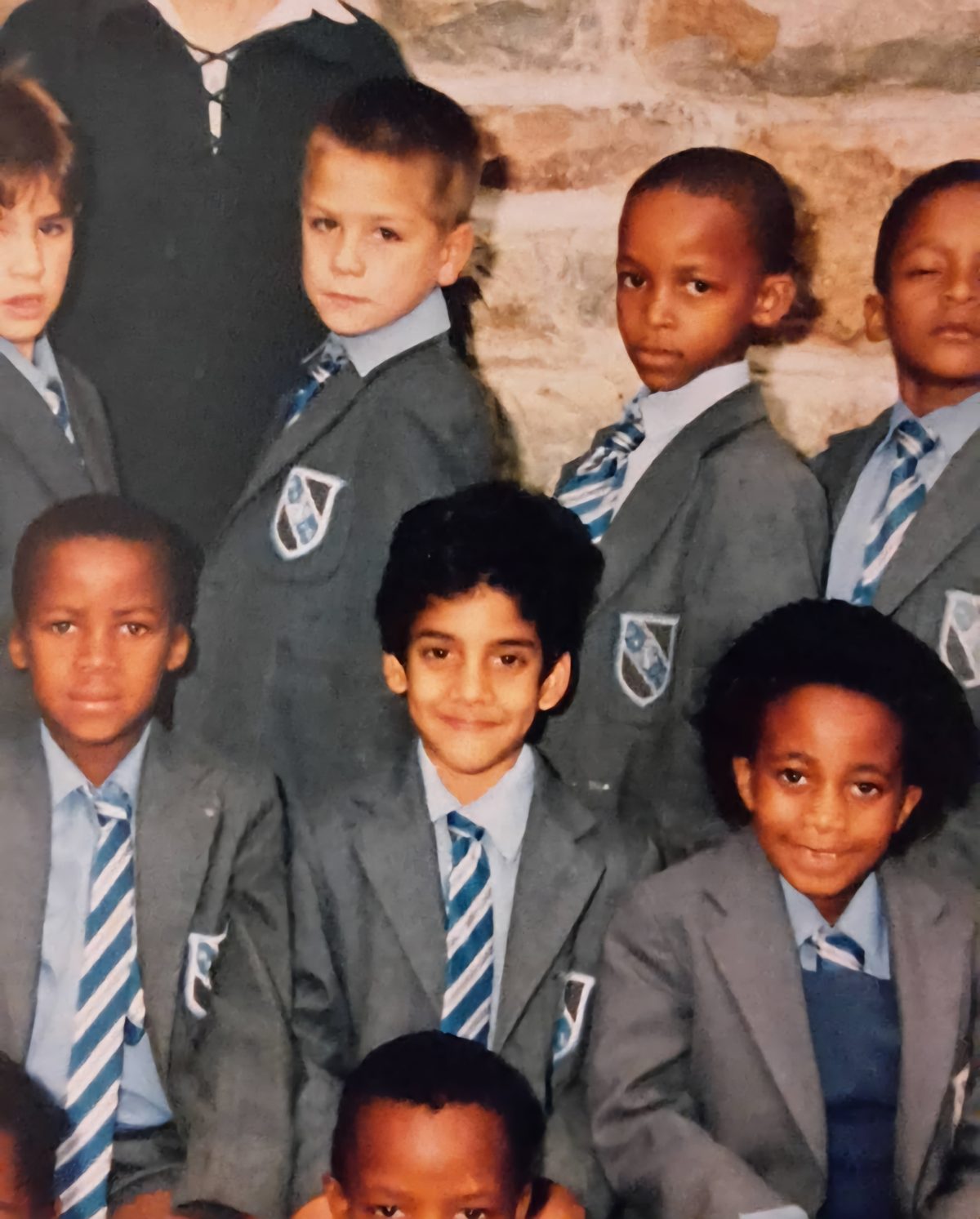 Then
Then
The route disappeared
The obvious way in closed.
My parents were divorcing through the same period. Two things were coming apart at once, and neither waited politely for the other to finish.
University stopped being possible, not as a decision but as a door that quietly shut. I am not against education, a degree opens real doors, and mine stayed closed for years because I did not have one. I would not recommend my route to anyone with a better one available.
For a long stretch it was my mother and me, working out what came next with very little certainty about either. Those years were hard in the ordinary, unglamorous ways that do not make it into talks: money, logistics, two people holding something up together.
The turn
There was a question I was not asking.
I did what everyone does. Gurus, books, counselling, courses. Some of it was well made, some of it was nonsense, and none of it moved me.
Eventually I stopped assuming the answers were wrong and started wondering whether the question was. If nothing I could find was working, perhaps I was asking something that could not be answered.
I have spent the rest of my life trying to work out what the better question was. That search is what took me into the mind properly. Not the self-help version of it, but the machinery underneath: what we conclude about ourselves and when, what we do with pain, what we are protecting, and how much of what we suffer we are quietly building.
Uncovering it, observing it, examining it. That is what I have done with my life, and it is the whole qualification.
Nobody could hand me an answer, because I had not yet found the question.
What did not fix it
Understanding it changed nothing.
None of it cured the depression or removed the anxiety. Here is the thing that took me years to accept: I understood my situation extremely well. I could name the pattern, the cause, the childhood bit. I was articulate about it while changing absolutely nothing.
Insight is comfortable. It feels like progress and it costs nothing. What eventually shifted anything was less interesting: another person who knew what I had said I was going to do, and asked me about it the following week.
Somewhere along the way I developed a degenerative eye condition, which eventually left me blind in my right eye. It is a thing that happened to my body. I have adjusted to it, and it does not mean anything more than that.
My relationship with my father was fractured for years. We repaired part of it in the last years of his life, more than I expected and less than I wanted. He died of colon cancer. I am glad we did the work we managed to do.
Knowing why I was stuck did not move me. Being asked about it every week did.
What a decade of rooms taught me
Everyone is carrying the same thing.
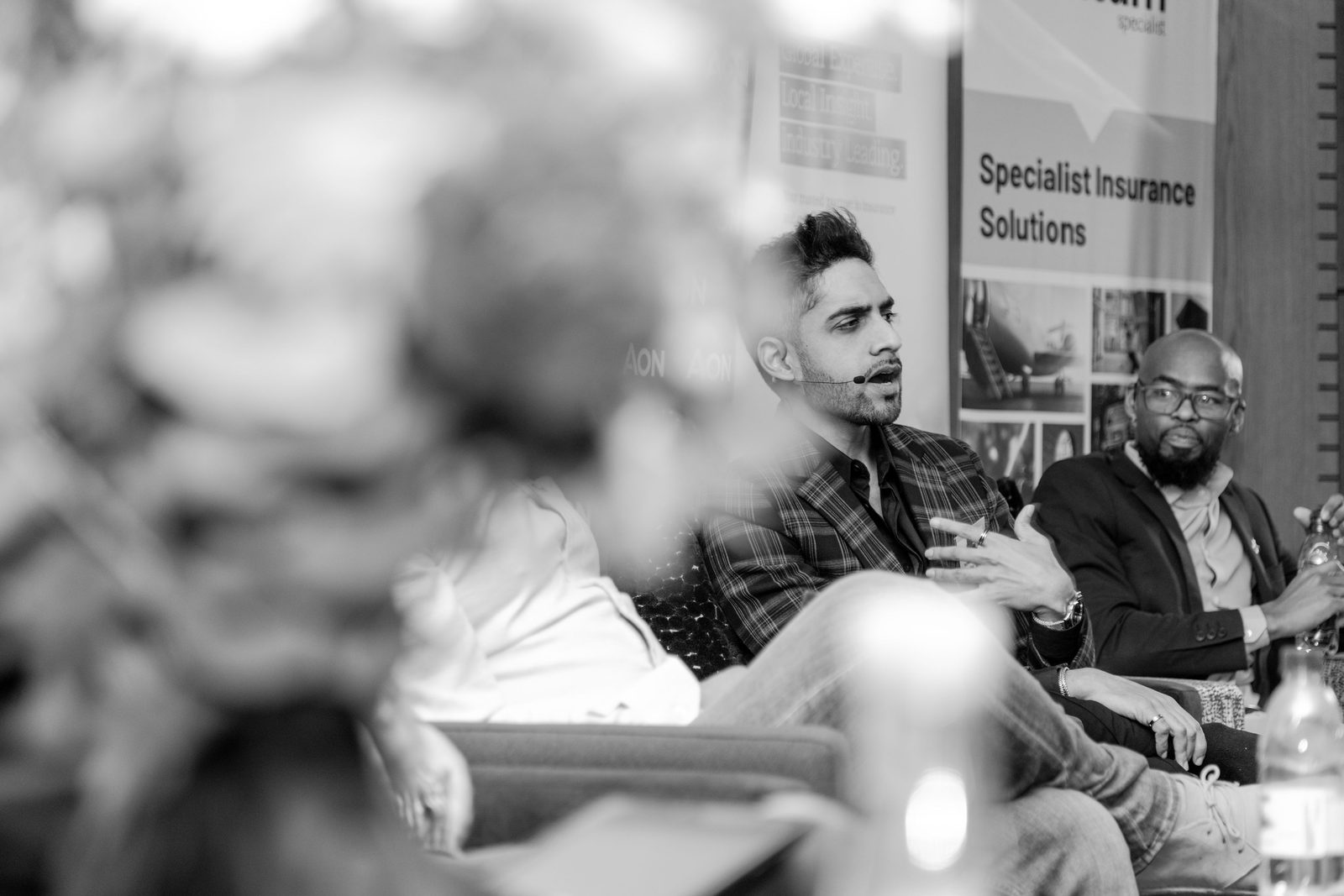
I have now spent over a decade in rooms, working with questions around the mind, anxiety, depression, grief and human behaviour, in more than 300 organisations and institutions, in front of thousands of people. I have written four books.
What still surprises me is what happens afterwards. Somebody waits until the room has emptied and tells me something they have not said out loud before. Thousands of those conversations now.
They are remarkably consistent. Almost nobody is in crisis. Most have the job, the people, the stability. What they have is a quiet sense that this was supposed to feel better than it does, and nowhere to put that thought, because saying it out loud sounds ungrateful.
That is the conversation I got interested in. It is the one I now do privately, one session at a time.
What this means for you
What you actually get out of it.
Everything I do now comes out of the same handful of questions. Why can a person get the things they wanted and still not feel right? Why do intelligent people see exactly what is wrong and carry on doing it?
And the one underneath all of them. How much of what we suffer comes from life, and how much comes from what we assumed life was supposed to look like?
I do not have this solved. I am not a therapist, and you will never get a prescription or a to-do list from me. What I have is over a decade of looking at it, several books’ worth of thinking, and a lot of practice asking the question somebody has been avoiding.
So here is the honest version of what you get: a clearer read on what is actually going on, one or two decisions made instead of circled for another year, a line between what is yours to change and what is yours to accept, and somebody who will put the question to you directly instead of letting you answer it with the rehearsed version.
You will not leave feeling fixed. You will leave knowing what you are doing and why.
My life did not get fixed. I just got much better at seeing it clearly.
That turns out to be most of it.